

INTERVIEW
January 15, 2026
Makenzie Whitener
A plant genetics PhD who now helps students thrive in research.
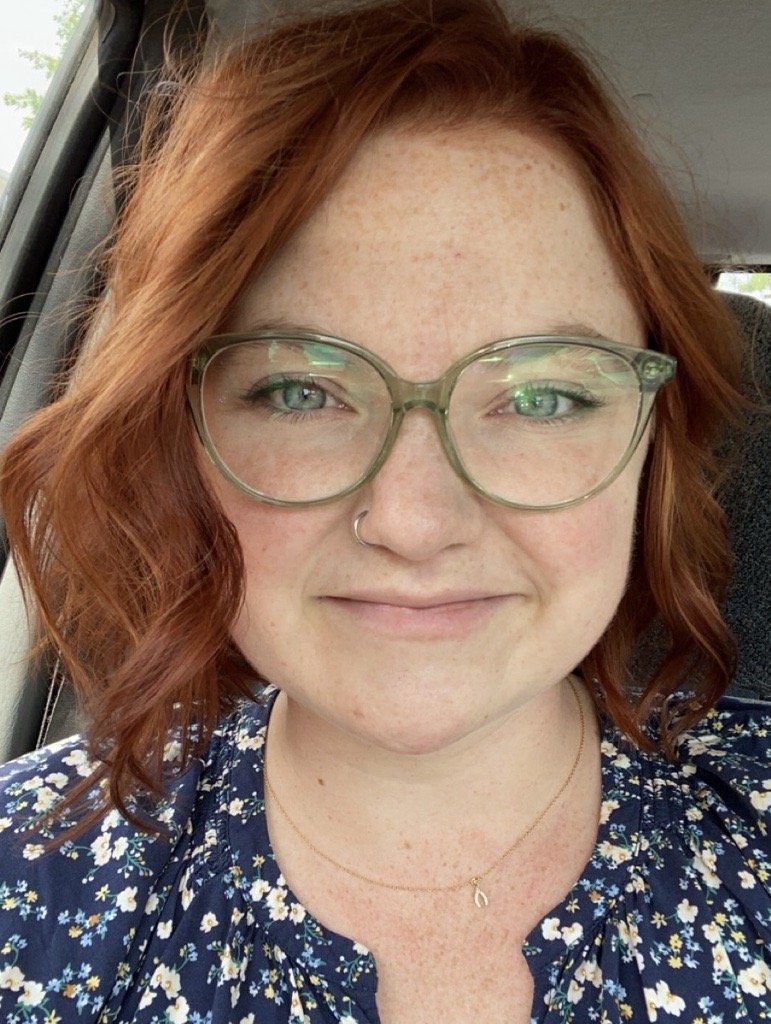
I’m so excited to share my interview with Makenzie Whitener, the Program Manager for Undergraduate Research in the Honors College at the University of Texas at Arlington. We talked about her work, her college and PhD experience, what she’s learned from it, her best advice for students, and of course, her favorite snack hack.
Could you tell me a bit about yourself, what you majored in, and what you do for work?
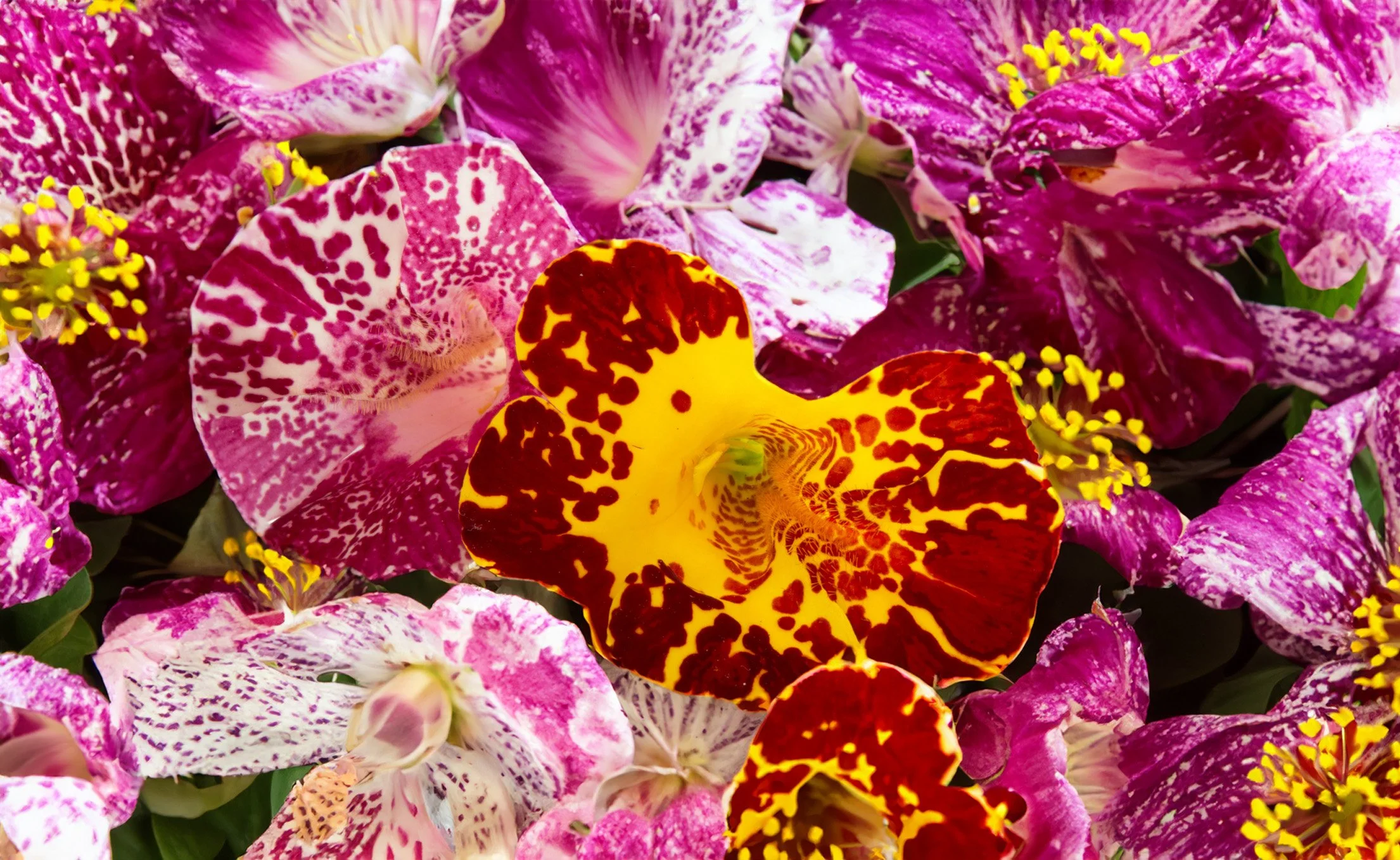
I was raised in Clemmons, North Carolina and attended Wake Forest University for my bachelor's degrees where I majored in Computer Science and Biology. I then moved to Athens, GA to attend the University of Georgia where I received my Ph.D. in Genetics! I worked in the lab of Dr. Andrea Sweigart studying the evolution of a wild polyploid flower species, Mimulus sookensis. Currently I work at the University of Texas at Arlington in the Honors College as the Program Manager for Undergraduate Research. What that essentially means is that I handle all things research for the Honors students at UTA.
What led you to choosing this field, and how has it impacted you?
When I was at Wake, I really enjoyed my Computer Science classes but knew that being a software developer was not for me. I was a double major in Biology and I loved the topic. Pretty early on I began tutoring and served as a teaching assistant and realized that I loved teaching. I switched my focus to graduate school particularly at the intersection of biology and computer science. When I was at UGA, I had the opportunity to teach an introductory biology lab for first-year students and I knew I wanted to do something in that field. As the years went on in grad school, I decided that being a professor at a research institution was not really what I wanted to do. I loved helping people do research but didn't necessarily like leading a lab. When I moved to Texas and was looking for a job post-graduation, I found this role at UTA and it was perfect. I think finishing graduate school and realizing that what I thought I wanted to do wasn't actually what I wanted was really impactful. I was able to see the benefit of education even if you end up not working in a field directly related to your degree. I know get to see so many students complete their Honors degree and experience research, often for the first time.
It’s so awesome that you have your PhD! Could you tell me a little more about what you focused on and is something about doing a PhD that people may not realize until they are in it?
Yeah! My research was focused on understanding how the genome and gene expression changes in a wildflower (M. sookensis) after a whole genome duplication. This involved the creation of a reference level assembly of the genome of the flower as well as A LOT of bioinformatics. Polyploids (or organisms that have more than two copies of their genome in each cell) are a fascinating part of plant biology and have been studied more and more as we delve deeper into the genomes of crops. I really wanted to understand how phenotype (observable characteristics often physical) was changed after a whole genome duplication.
One thing that I most certainly did not know until I was in my PhD was how much resilience you have to have. I think once I was willing to show up everyday okay with failure, I found the experience so much more enjoyable. The other aspect that I wish more people knew is how much of a community you can build with your cohort during the process. Some of my best friends I met in the depths of my PhD.
Are there lessons from plant genetics that could help us better understand things like nutrition or disease prevention in people?
For sure! I think one of the things that I took most from plant genetics is that we (humans) have been modifying plants to fit our needs for thousands of years. We now as a society have the ability to work with crops and other plants to be better able to feed the ever-growing world population. Almost every crop you eat, even the organic ones, are genetically modified through selective breeding. We have been selectively breeding crops for thousands of years and GMOs are totally safe. Additionally, we are now able to identify genes in plants that might help with disease susceptibility and reduce the need for chemical pesticides and boost crop production.
Is there a common myth or misconception about plant or human genetics that you wish more people understood correctly?
That there is one gene that codes for a trait. In most cases, traits are incredibly complex! Often, there are so many interacting factors. However, I am super excited to see where the field goes!
What does a typical day look like for you?
My days are actually pretty varied. I am responsible for the Honors Capstone process. This is the senior research thesis that all Honors students must complete. I teach a class for students completing their Capstones three days a week in the morning, so I usually get to work, check my emails, and then head to class. After class, I respond to emails and then do a variety of things depending on the point in the semester. I often have several meetings a day with students to discuss their research projects and progress. I also have advising sessions for students who will be completing their Capstone in the coming year. Towards the middle of November or April, the Honors College puts on an Honors Research Symposium where Capstone students share their research in a poster presentation. I spent a lot of my last week(s) preparing for that. I help with fun events that the College puts on for students as well!
What advice would you give to a high schooler who’s curious about combining science with real-world things like food and nutrition?
I would say stay curious! Don't believe everything you read and do your own research. There is so much research out there about food and how we can best fuel our bodies.
Before we wrap up, is there one last little nugget you'd love to leave us with?
Plants are amazing things. Don't be afraid to eat them!
And of course, the most important question of all: what’s your favorite snack or snack hack, and why?
My favorite snack has to be freshly made hummus with lots of lemon and daikon radish slices. A little bit of feta on top makes it perfect!